
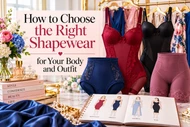
Choosing the right shapewear is about more than creating a smooth silhouette. The best shapewear should feel comfortable, complement your outfit, and provide the level of support you prefer without restricting your movement.
Whether you're dressing for work, a wedding, an evening out, or everyday comfort, understanding shapewear styles, sizing, and compression levels can help you choose with confidence.
1. Understand What Shapewear Can Do
Shapewear is designed to smooth and support selected areas of the body. Different garments offer different levels of coverage, from gentle smoothing to firmer shaping.
Common reasons for choosing shapewear include:
- Creating a smoother appearance beneath fitted clothing.
- Providing comfortable support around the waist or abdomen.
- Reducing visible underwear lines beneath certain fabrics.
- Choosing a preferred silhouette for special occasions.
- Adding a supportive foundation beneath dresses and skirts.
Shapewear is a personal styling choice, not something everyone needs to wear. The right garment should complement your natural shape rather than force your body into an uncomfortable fit.
2. Choose the Right Type of Shapewear
Different shapewear designs target different areas. Understanding the options makes it easier to select a garment that works with your wardrobe.
Shaping Bodysuits
A shaping bodysuit offers coverage across the torso and may extend over the bust, waist, abdomen, or hips depending on its design.
Bodysuits can work particularly well beneath dresses and coordinated outfits where you prefer a continuous foundation without a separate waistband.
High-Waisted Shaping Briefs
High-waisted shaping briefs provide coverage around the abdomen and waist while retaining the familiar feel of underwear.
They are a practical option beneath skirts, trousers, and many everyday dresses. Look for waistbands designed to remain comfortably in place.
Shaping Shorts
Shaping shorts offer coverage through the abdomen, hips, and upper thighs. Depending on the fabric and construction, they may also help reduce friction between the thighs.
They can be especially useful beneath dresses, skirts, and lightweight trousers.
Shaping Slips
A shaping slip provides a continuous layer beneath a dress. It may be a useful choice when you want to avoid separate garment edges showing through the outer fabric.
Check the slip length against your dress and ensure that the neckline and straps remain concealed.
Waist Shapers
Waist-focused shapewear concentrates support around the midsection. Styles vary considerably, so review each garment's intended compression level, flexibility, and sizing instructions.
Avoid styles that make breathing, sitting, or normal movement uncomfortable.
3. Understand Shapewear Compression Levels
Compression describes how firmly a garment fits against the body. Manufacturers may use different terms, but shapewear is commonly described in three broad categories.
| Compression | Typical Feel | Common Uses |
|---|---|---|
| Light | Gentle smoothing with flexibility | Everyday outfits and relaxed occasions |
| Medium | More noticeable shaping and support | Fitted dresses, skirts, and tailored clothing |
| Firm | A stronger, more structured fit | Occasions where a more defined silhouette is preferred |
Important: Firmer compression does not automatically mean a better fit. If shapewear causes pain, numbness, difficulty breathing, or significant discomfort, remove it and choose a more comfortable option.
4. How to Choose the Correct Shapewear Size
One of the most common shapewear shopping mistakes is choosing a smaller size in the hope of achieving greater compression.
Shapewear is designed to provide its intended support when worn in the correct size. Choosing a size that is too small can lead to rolling waistbands, visible bulges, discomfort, and restricted movement.
Measure Before Ordering
- Measure your natural waist with a flexible measuring tape.
- Measure around the fullest part of your hips.
- Check your bust measurement if choosing a full bodysuit.
- Compare your measurements with the manufacturer's size chart.
- Review the product's compression level and fabric composition.
Sizes may vary between brands, so do not rely exclusively on your usual dress size.
If you are also selecting a bra or lingerie set, read our step-by-step bra measuring guide for additional fitting advice.
5. Match Your Shapewear to Your Outfit
The clothing you plan to wear over your shapewear is an important part of the decision.
Under Fitted Dresses
Consider a shaping slip, bodysuit, or high-waisted shorts that provide smooth coverage without visible seams. Check that the garment's edges do not show beneath the dress.
Under Trousers and Jeans
High-waisted briefs or shaping shorts can offer support around the midsection. Choose a waistband that remains comfortable when sitting.
Under Lightweight Fabrics
Look for smooth fabrics, minimal seams, and colors that blend with your skin tone beneath the outer garment.
Under Bridal and Occasion Wear
Consider the dress neckline, back design, fabric, and overall construction before choosing shapewear. Try the complete outfit together well before the occasion.
6. Select the Right Fabric
Shapewear frequently combines stretchy fibers such as elastane with nylon, polyester, cotton, or other materials. The exact combination influences stretch, feel, breathability, and support.
When comparing products, look for:
- Stretch that allows comfortable movement.
- Soft seams and edges that do not irritate the skin.
- Breathable or lightweight construction where appropriate.
- Care instructions suitable for your routine.
- A gusset or opening design that meets your practical needs.
For additional fabric and garment maintenance advice, visit our Lingerie Care Guidelines.
7. Common Shapewear Mistakes to Avoid
- Buying a smaller size: This may create discomfort rather than a smoother fit.
- Choosing compression alone: Consider comfort, coverage, and how the garment works with your outfit.
- Ignoring garment length: Shorts and slips should remain hidden beneath clothing.
- Overlooking the waistband: Rolling or digging can indicate a poor fit or an unsuitable style.
- Skipping the movement test: Sit, walk, and bend to check that the garment remains comfortable.
- Ignoring care labels: Incorrect washing or drying may damage elastic fibers.
8. How Should Shapewear Fit?
Well-fitting shapewear should feel supportive without being painful or excessively restrictive.
When trying on a new garment, check that:
- You can breathe normally and move comfortably.
- The garment does not roll, pinch, or dig into your skin.
- The waistband and leg openings stay in place.
- The fabric sits smoothly beneath your clothing.
- You feel comfortable wearing it for your intended activity.
Remember that different bodies and outfits benefit from different designs. There is no single shapewear style that is ideal for everyone.
9. Caring for Your Shapewear
Proper care helps preserve stretch and garment shape. Always follow the manufacturer's label.
- Use a gentle wash method where recommended.
- Choose mild detergent suitable for delicate garments.
- Avoid excessive heat that may damage elastic fibers.
- Air-dry when directed by the care label.
- Store garments without unnecessary stretching.
Frequently Asked Questions About Shapewear
Should I size down when buying shapewear?
No. Start with the manufacturer's size chart and your actual measurements. A smaller size may create discomfort and an uneven appearance beneath clothing.
Can I wear shapewear every day?
Many people choose light or medium-compression shapewear for everyday outfits. Comfort, proper sizing, and freedom of movement should guide your decision.
Which shapewear works best under a dress?
It depends on the dress. A shaping slip or bodysuit may work well for continuous coverage, while shaping shorts or high-waisted briefs may suit other designs.
What color shapewear should I choose?
For light or sheer clothing, a shade close to your skin tone often blends better than white. For darker clothing, black or another discreet shade may be suitable.
Find Shapewear That Works for You
The best shapewear is the style that suits your clothing, fits your measurements, and helps you feel comfortable and confident.
Explore Jean Lesley's lingerie and shapewear selections, review the individual product size charts, and choose the level of support that works for your needs.
